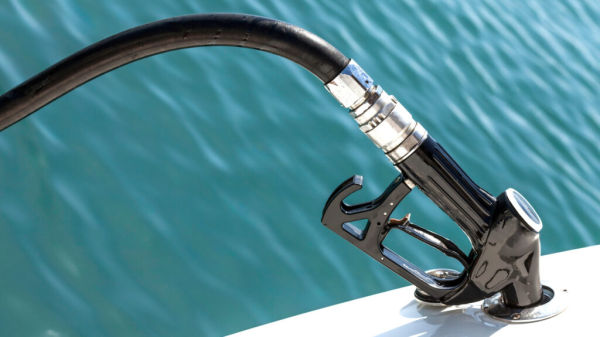
For a car that gets driven every day, a little extra ethanol in the fuel tank isn’t going to create much trouble, but the same can’t exactly be said for a boat. Boats can spend weeks or months sitting between outings, and that long period of inactivity out on the water creates more of a moisture problem for marine engines over automotive engines.
Scientifically speaking, ethanol naturally draws water toward itself. And mechanically speaking, boat fuel systems are vented, which gives moisture a much easier path to the tank. Over time, that combination means gasoline with ethanol is a recipe for a serious engine problem. Using ethanol-free gasoline is naturally going to be one of the more practical ways to reduce the risk of any moisture- damage to the engine. Meanwhile, if you do use gas with ethanol, the water and ethanol can actually separate from the gasoline in the tank, which can make the boat sputter at best and damage the engine at worst.
Ethanol-free fuel helps extend the life of the boat
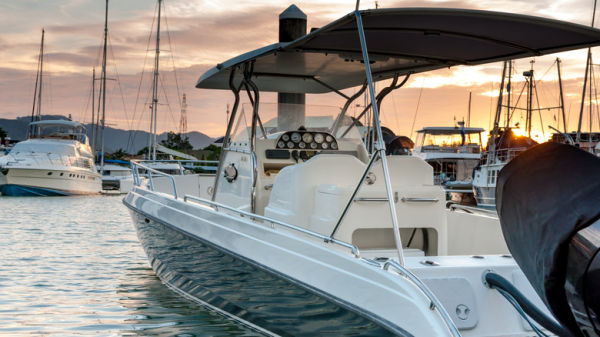
Normalfx/Getty Images
Avoiding gas with ethanol in it means less opportunities for the specific separation concerns that come with ethanol-blended fuel. That can help reduce the amount of unnecessary wear on your boat as well as lessen the likelihood of fuel system repairs. All in all, ethanol-free fuel preserves the lifespan of the boat’s engine and lowers your overall maintenance expenses over time. Gasoline with ethanol also has less energy than gasoline without it, so your boat may not even benefit from it enough to justify using it.
Of course, finding ethanol-free fuel can require a little planning out there on the water. Many marinas carry it, and some conventional gas stations do as well, but it’s worth checking beforehand to save you from a frustrating detour on boating day. If ethanol-blended fuel is the only option, E10 is generally the upper limit recommended. Higher blends such as E15 can create substantially more problems for your boat and may even affect a warranty.
A marine fuel-water separator rated at least 25 microns can also help keep water and debris from reaching the engine. And if an ethanol-blended tank will sit unused for three weeks or longer, it’s wise to either fill the tank completely or empty it entirely rather than leave it partially filled.